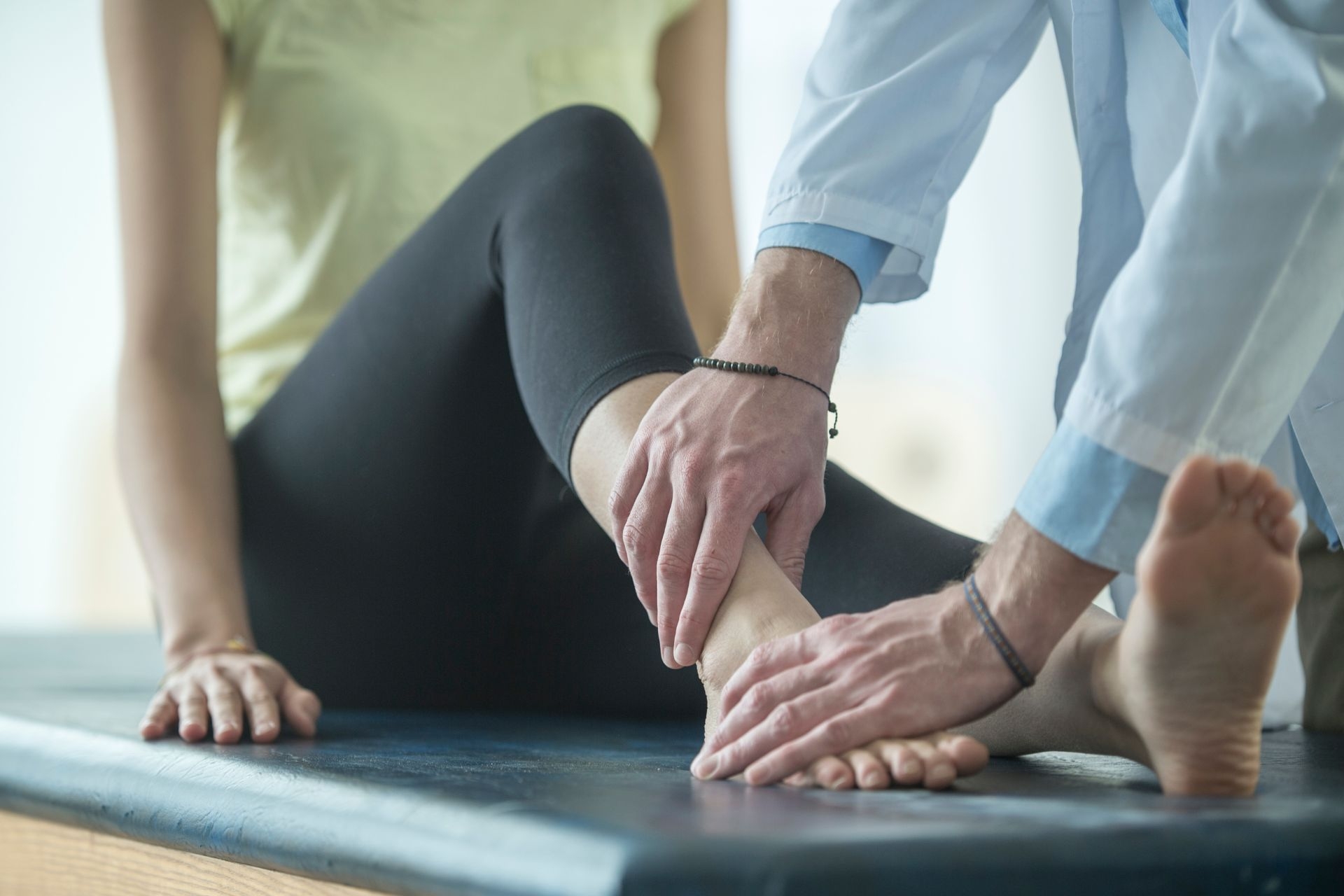
Flexibility and mobility training offer numerous benefits for individuals. Firstly, it helps to improve joint range of motion, allowing for better movement and posture. This can be particularly beneficial for individuals who have sedentary lifestyles or those who engage in repetitive movements. Secondly, flexibility and mobility training can enhance athletic performance by increasing agility, speed, and power. Additionally, it can help to prevent muscle imbalances and reduce the risk of injuries. Lastly, flexibility and mobility training can also improve overall physical well-being by reducing muscle tension and promoting relaxation.
The frequency of flexibility and mobility training depends on individual goals and current fitness levels. Generally, it is recommended to engage in flexibility and mobility exercises at least two to three times per week. However, individuals who are looking to improve their flexibility or recover from an injury may benefit from more frequent training sessions. It is important to listen to your body and gradually increase the intensity and duration of the exercises over time.
The term "collateral damage" is typically a military term, one that denotes unintended damage to an area around a target. But as it applies to resistance training, collateral damage can be a good thing. The post Collateral Vascular Damage: A Good or Bad Thing For Building Muscle? appeared first on National Federation of Professional Trainers.
Posted by on 2024-01-16
As we step into 2024, the landscape of health and fitness continues to evolve, driven by a growing awareness of holistic well-being and technological advancements.… The post Top 2024 Health and Fitness Trends: Embracing Holistic Wellness appeared first on National Federation of Professional Trainers.
Posted by on 2024-01-12
Effective recovery strategies can significantly impact your personal training clients’ progress and overall satisfaction with their training program. Your clients rely on you as a… The post Recovery 101 for New Personal Trainers appeared first on National Federation of Professional Trainers.
Posted by on 2024-01-08
What has helped me to be successful as a coach from the beginning of my 20+ years career as a personal trainer, despite inexperience or… The post Coaching Body Awareness for Personal Training Clients: A Secret to Success appeared first on National Federation of Professional Trainers.
Posted by on 2024-01-06
There are various exercises and stretches that are commonly used in flexibility and mobility training. Some examples include static stretching, dynamic stretching, foam rolling, yoga, and Pilates. Static stretching involves holding a stretch for a certain period of time, while dynamic stretching involves moving through a range of motion. Foam rolling is a self-myofascial release technique that helps to release muscle tension. Yoga and Pilates incorporate a combination of stretching, strengthening, and balance exercises to improve flexibility and mobility.
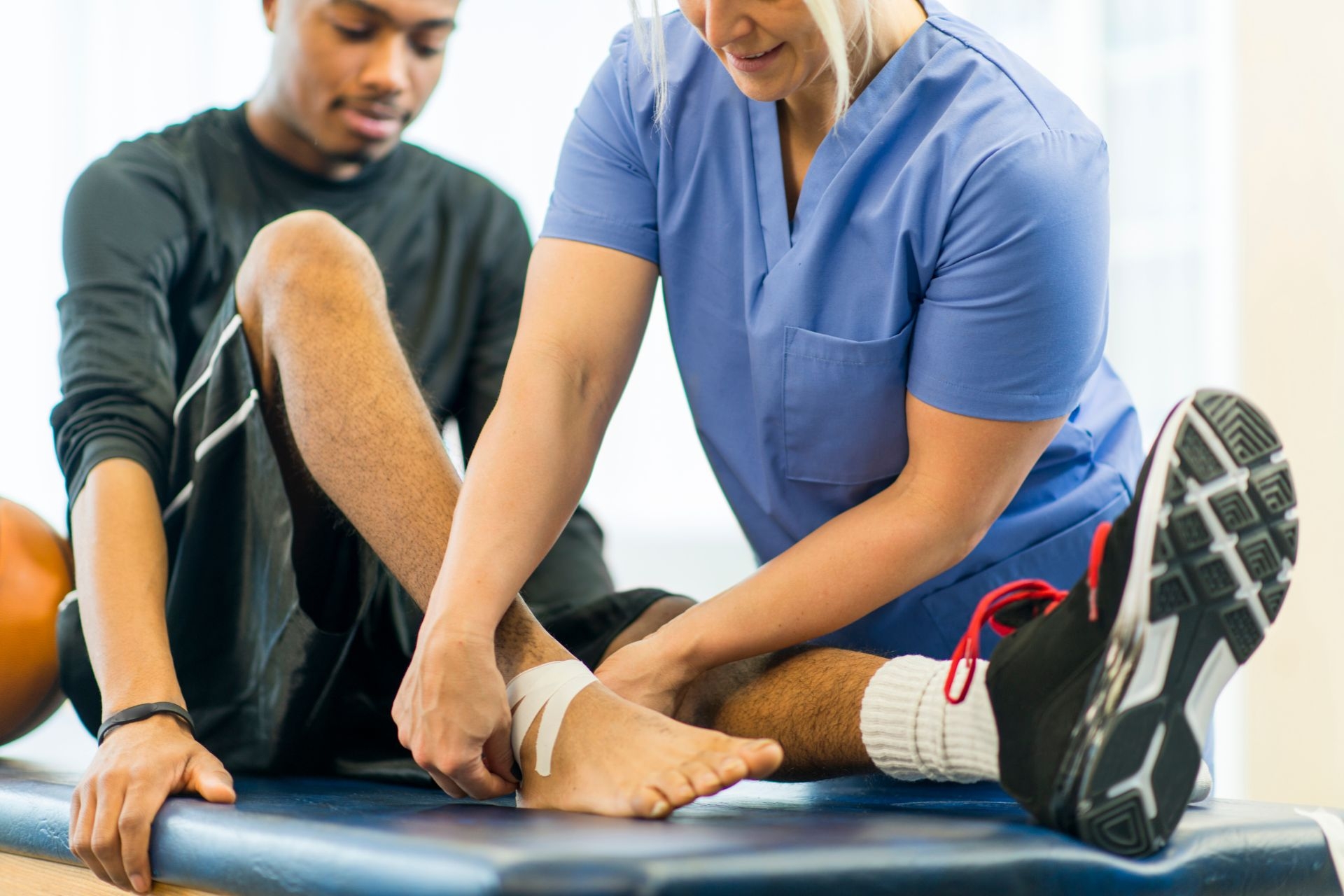
Yes, flexibility and mobility training can help prevent injuries. By improving joint range of motion and muscle flexibility, it reduces the risk of muscle strains, sprains, and other soft tissue injuries. It also helps to correct muscle imbalances, which can contribute to poor movement patterns and increase the likelihood of injuries. Additionally, flexibility and mobility training can enhance proprioception, which is the body's ability to sense its position in space. This can improve balance and coordination, further reducing the risk of falls and injuries.
When performing flexibility and mobility exercises, it is important to follow certain guidelines and precautions. Firstly, always warm up before starting any stretching or mobility routine to increase blood flow to the muscles and prepare them for movement. Secondly, avoid bouncing or jerking movements during stretches, as this can lead to muscle strains. Instead, focus on slow and controlled movements. It is also important to breathe deeply and relax into the stretches, rather than forcing them. Lastly, if you have any existing injuries or medical conditions, it is advisable to consult with a healthcare professional before starting a flexibility and mobility training program.
The time it takes to see improvements in flexibility and mobility through training varies from person to person. Factors such as age, current flexibility levels, and consistency of training can influence the rate of progress. However, with regular practice and proper technique, individuals can typically start to notice improvements within a few weeks to a few months. It is important to be patient and consistent with training, as flexibility gains are gradual and require ongoing effort.
Flexibility and mobility training can be highly beneficial for athletes and sports performance. Improved flexibility and joint range of motion can enhance athletic performance by allowing for greater movement efficiency and reducing the risk of injuries. It can also help athletes to achieve optimal body alignment and posture, which can improve technique and power output. Additionally, flexibility and mobility training can aid in recovery and reduce muscle soreness after intense training sessions or competitions. Incorporating specific stretches and exercises that target the muscles and movements used in a particular sport can further enhance athletic performance.
Yes, personal training can be extremely beneficial for pre and post-natal fitness. A qualified personal trainer who specializes in pre and post-natal exercise can provide tailored workouts and guidance that are safe and effective for pregnant and postpartum women. They can help with maintaining a healthy weight, improving cardiovascular fitness, strengthening the core and pelvic floor muscles, and reducing the risk of common pregnancy-related issues such as back pain and pelvic girdle pain. Additionally, a personal trainer can provide education on proper nutrition and lifestyle habits to support a healthy pregnancy and postpartum recovery. By working with a personal trainer, women can feel confident and empowered in their fitness journey during this special time in their lives.
Yes, there are personalized training programs available for individuals recovering from surgery. These programs are specifically designed to cater to the unique needs and limitations of each individual during their recovery process. The training programs focus on gradually rebuilding strength, improving flexibility, and enhancing overall physical function. They may include a combination of exercises, stretches, and movements that target the affected area or areas, as well as other parts of the body that may have been affected by the surgery. Additionally, these programs often incorporate various therapeutic techniques, such as manual therapy, hydrotherapy, and electrical stimulation, to aid in the healing and rehabilitation process. The personalized nature of these training programs ensures that each individual receives the appropriate level of support and guidance to optimize their recovery and regain their pre-surgery level of fitness and functionality.
Personal training can accommodate individuals with disabilities by providing specialized programs and modifications tailored to their specific needs. Trainers can incorporate adaptive equipment and techniques to ensure a safe and effective workout. They can also focus on improving mobility, strength, and flexibility to address any limitations caused by the disability. Additionally, personal trainers can offer guidance on proper form and technique to prevent injuries and maximize the individual's potential. By understanding the unique challenges faced by individuals with disabilities, personal trainers can create inclusive and empowering fitness experiences that promote overall health and well-being.
Personal training provides numerous benefits for individuals with sedentary lifestyles. Firstly, it offers tailored exercise programs that are specifically designed to address the needs and limitations of sedentary individuals. These programs typically include a combination of cardiovascular exercises, strength training, and flexibility exercises, which help improve overall fitness levels and reduce the risk of chronic diseases such as obesity, diabetes, and heart disease. Additionally, personal trainers provide guidance and support, ensuring that individuals with sedentary lifestyles perform exercises with proper form and technique, minimizing the risk of injury. They also offer motivation and accountability, helping individuals stay consistent with their exercise routine and achieve their fitness goals. Moreover, personal trainers can provide valuable advice on nutrition and lifestyle changes, helping individuals adopt healthier habits and improve their overall well-being. Overall, personal training is a valuable resource for individuals with sedentary lifestyles, offering them the guidance, support, and motivation they need to lead a more active and healthy life.
Personal training addresses specific dietary needs and preferences by tailoring nutrition plans and meal recommendations to meet the unique requirements of each individual. A skilled personal trainer takes into account factors such as age, gender, body composition, activity level, and health conditions to create a customized diet plan that optimizes nutrition intake. They consider dietary restrictions, allergies, and food preferences to ensure that the client's dietary needs are met while also promoting adherence to the plan. Additionally, personal trainers may provide guidance on portion control, meal timing, and supplementation to further support the client's specific dietary goals. By taking a comprehensive approach to nutrition, personal training effectively addresses and accommodates the specific dietary needs and preferences of each client.